

INJURY PROTOCOL
WHAT TO DO IF YOU GET INJURED OR ENCOUNTER PAIN
Any physical activity runs the risk of injury.
If you get injured, our mantra is simple
Adapt and Overcome.
OUR BASIC PROTOCOL
Part of this process is understanding your body. As a remote coaching course, we cannot identify injury.
The first steps to adapting and overcoming are as follows:
If you suspect injury always seek the advice of a qualified medical professional - ideally a reputable local physiotherapist, chiropractor, sports masseuse. If unsure go to your GP.
Stop movements that cause pain.
Provided they don’t conflict with the above rule - Utilise our mobility tactics to facilitate recovery.
ARE YOU ACTUALLY INJURED?
Training, particularly intense training like the Commando Standard, is the act of breaking yourself down. It is a stressor that is required to stimulate adaptation in the body so that it comes back fitter, faster, stronger. With this in mind, you are voluntarily putting yourself into the headlights of discomfort. This discomfort will not always just be at the point of training, but often long after. Strong training will leave muscles sore, stiff and hard to move. It is part of the process, and should be welcomed as an old friend that is guiding you to a stronger life.
Also, not everything will always be perfect. Suffering is to be expected and must be immersed in to prevail. The personal growth of overcoming trials is what we are here to do.
Typical injuries often come with an acute moment of pain/discomfort/realising something is wrong along with an immediate loss of function. If you trip on a log, crack your knee on the floor and feel searing pain that lasts longer than a few minutes - then yes, you are likely injured.
If you honestly cannot continue or proceed into a new session because of pain/loss of function you are possibly injured.
DELAYED ONSET MUSCLE SORENESS (DOMS)
Repetitions will micro tears in the fibres of the muscles worked. This damage often comes with soreness that manifests 24-48 hours after the training. You work your legs hard and sitting on the toilet, or climbing a set of stairs can be uncomfortable. You are feeling the damage you dealt - this is fine.
You can tell if you are feeling DOMS by moving. Getting blood and movement to the area should dissipate the discomfort. Your body is surprisingly functional, but it will take more time to prepare. Progress can still be achieved and it is not an excuse.
IF YOU ARE INJURED
Some simple rules:
DON’T WHINGE
There is never a good time to get injured and it isn’t always fair. Whinging doesn’t help, it just annoys everyone around you.
FOCUS ON WHAT YOU CAN DO
You broke your arm - your legs still work. A library of exercises and training await.
RECOVERY IS THE NEW TRAINING
Be relentless with your recovery. Treat it with the same conviction you would a hard run, even if it isn’t as sexy! If your approach is focussed and dedicated, you will recover faster.
WHILE WE ENCOURAGE MENTAL TOUGHNESS - DON’T BE AN IDIOT
Running on a broken ankle that you have gaffa taped together makes for a good story, but unless it is life or death - the long term damage will take you out of training for longer and largely inhibit your potential, possibly forever. Is it worth it? If the answer is honestly no - do something else.
HOW TO PROCEED WITH THE COMMANDO STANDARD
For minor injuries such as a light muscle strain.
Put a pause in the plan for at least a week, your new training is to recover. You can work through any elements of the plan that you can do pain-free, however you will repeat the week in full when the injury has been managed. This week of training does not count as completed - Recovery will have you picking up exactly where you left off.
Select the area of injury and follow the protocol on each page as frequently as you can through the week.
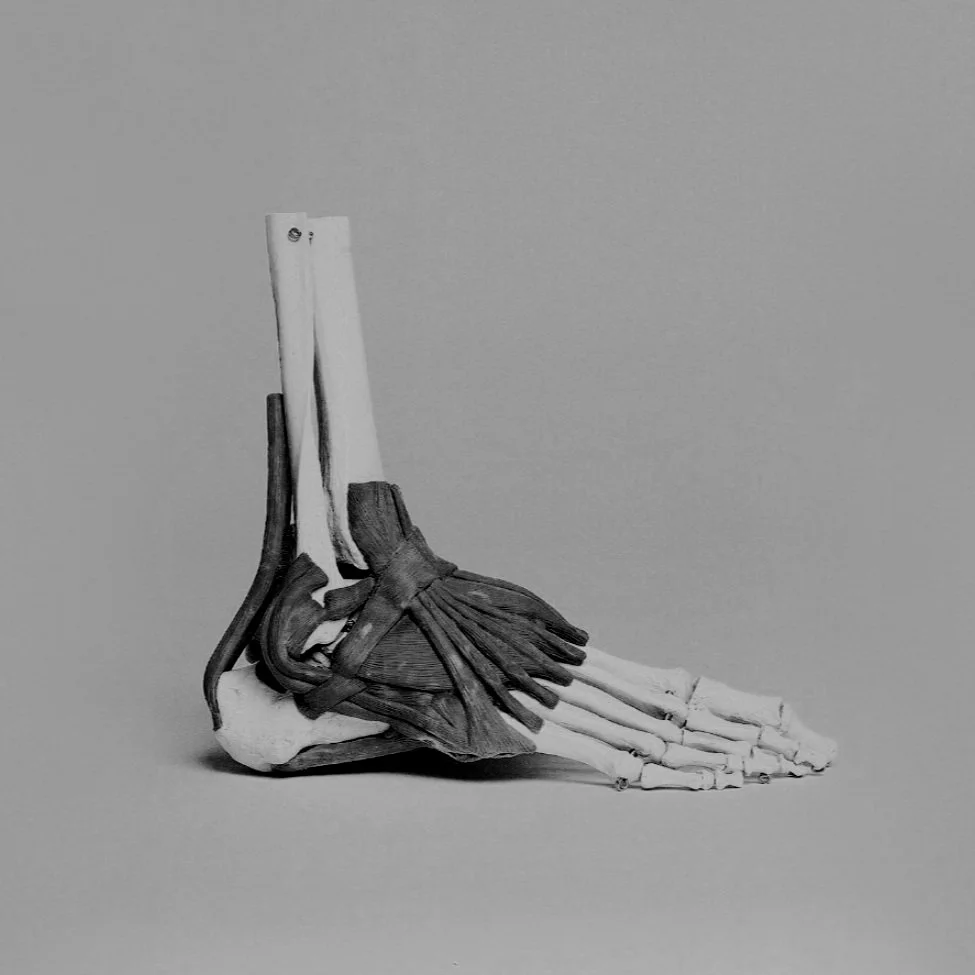
ANKLES
KNEES
HIPS
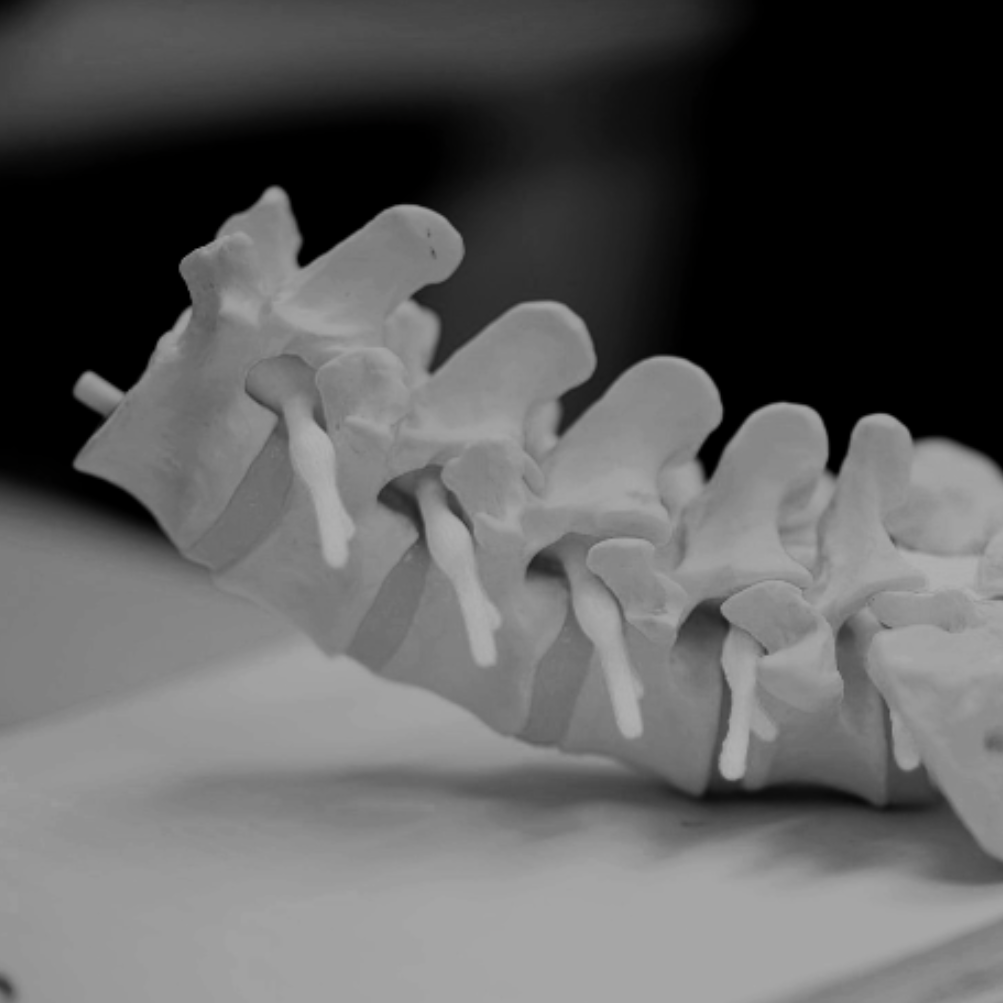
BACK
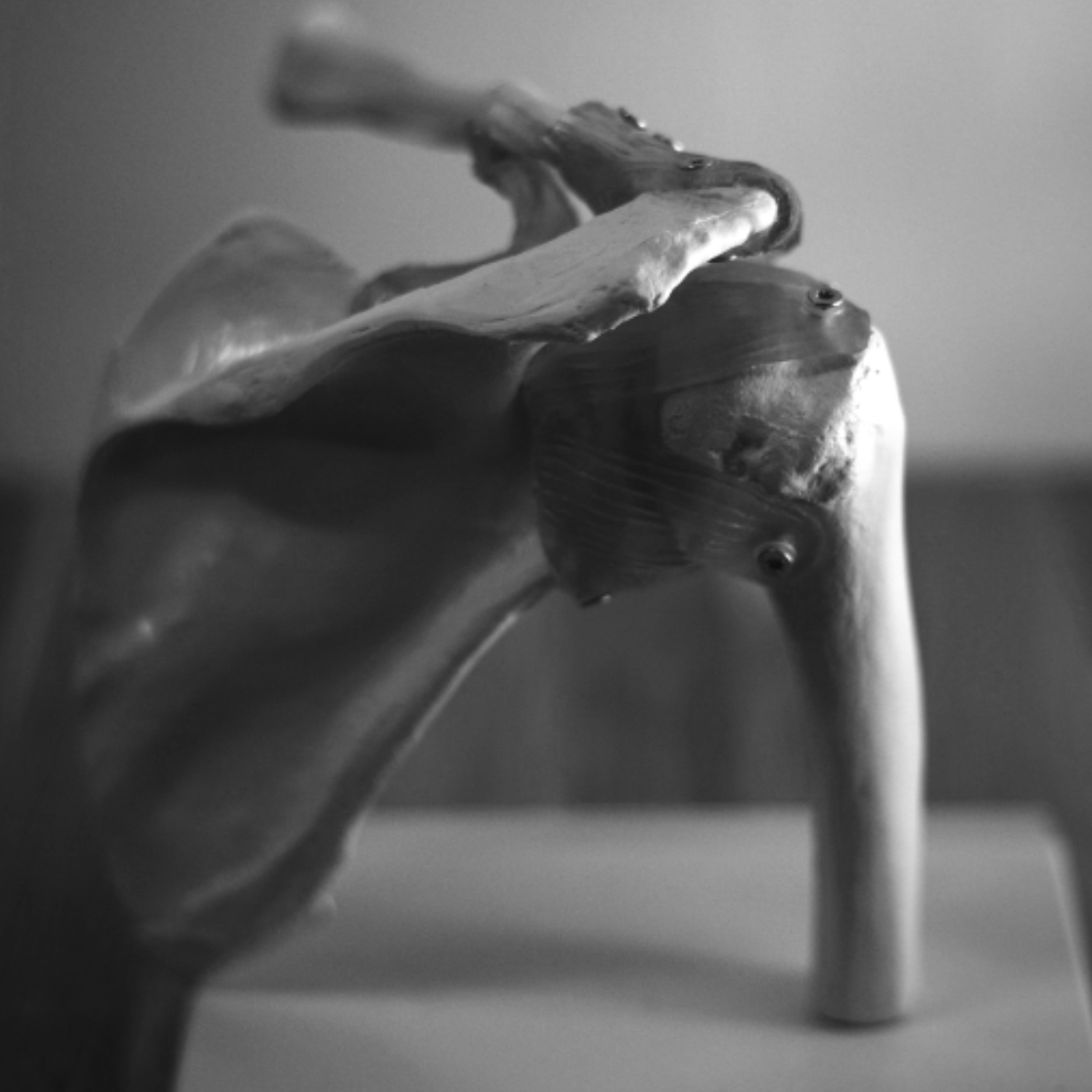
SHOULDERS